Why You’ll Love This Chicken Florentine Pasta
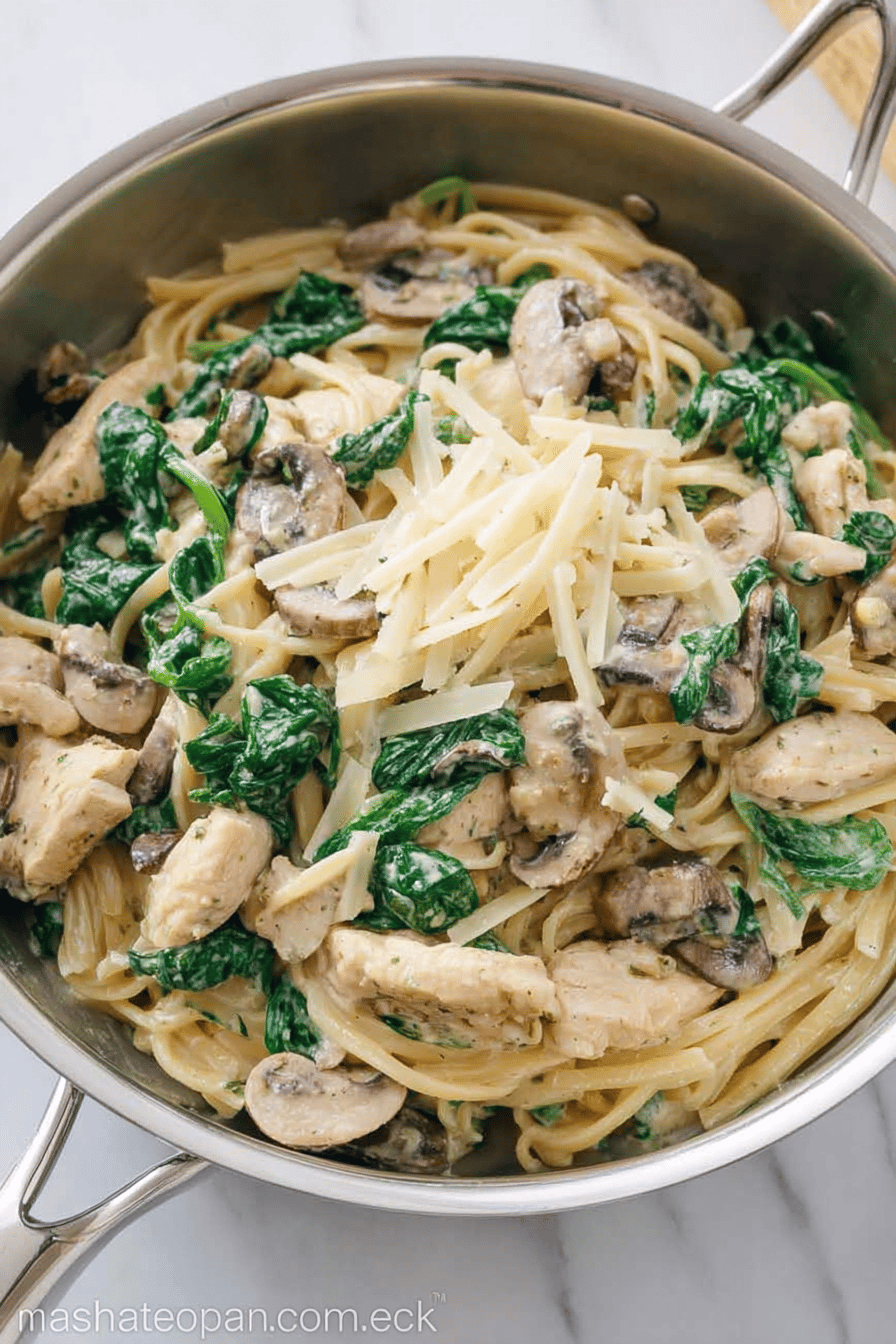
This Chicken Florentine Pasta is a go-to meal that brings together simple ingredients and big flavors, making it ideal for anyone from busy parents to food enthusiasts looking for a quick dinner. Imagine tender chicken mixed with fresh spinach in a creamy garlic sauce that takes just about 30 minutes to whip up. It’s not just fast; it’s packed with nutrients from the baby spinach and protein from the chicken, turning an everyday pasta into something truly satisfying.
One reason you’ll enjoy this recipe is its ease of preparation. Designed for simplicity, it uses minimal ingredients and straightforward steps, perfect for busy weeknights when time is short but you still want a homemade meal. Another plus is the health benefits, as it includes lean chicken, fresh spinach, and other nutrient-rich elements that support a balanced diet with high protein and essential vitamins. Plus, its versatility means you can tweak it for various dietary needs like vegan or gluten-free options, all while keeping that delicious taste.
The distinctive flavor really sets this dish apart, blending a creamy sauce with vibrant spinach and seasoned chicken for a savory experience. For instance, the sauce gets its depth from ingredients like Italian seasoning and Dijon mustard, creating a balanced profile that’s not too heavy. If you’re exploring new flavors, this recipe fits right in with your adventures in the kitchen.
Real-Life Benefits from Home Cooks
From my own kitchen experiments, I’ve found that recipes like this one help build confidence in cooking, especially for newlyweds or students starting out. It’s like that friend who makes dinner fun and easy, encouraging you to try variations without stress. According to a source on healthy eating, such as the benefits of spinach, adding greens like this boosts your meal’s nutrition effortlessly.
To expand on its appeal, let’s look at how it adapts to different lifestyles. Busy professionals might appreciate the quick prep, while diet-conscious folks can swap ingredients to lighten it up. Overall, this Chicken Florentine Pasta isn’t just food; it’s a reliable favorite that keeps meals exciting and nourishing.
Jump to:
- Why You’ll Love This Chicken Florentine Pasta
- Real-Life Benefits from Home Cooks
- Essential Ingredients for Chicken Florentine Pasta
- For the Chicken:
- For the Sauce and Pasta:
- How to Prepare the Perfect Chicken Florentine Pasta: Step-by-Step Guide
- Tips for Smooth Cooking
- Dietary Substitutions to Customize Your Chicken Florentine Pasta
- Mastering Chicken Florentine Pasta: Advanced Tips and Variations
- Exploring Variations
- How to Store Chicken Florentine Pasta: Best Practices
- FAQs: Frequently Asked Questions About Chicken Florentine Pasta
- What ingredients do I need to make Chicken Florentine Pasta?
- How do I cook chicken properly for Chicken Florentine Pasta?
- Can I make Chicken Florentine Pasta healthier?
- What is the best way to add spinach to Chicken Florentine Pasta?
- How long can I store leftover Chicken Florentine Pasta?
- Chicken Florentine Pasta
- Ingredients
- Instructions
- Last Step:
- Notes
- Nutrition
- Did you make this recipe?
Essential Ingredients for Chicken Florentine Pasta
Gathering the right ingredients is key to making this Chicken Florentine Pasta shine, and I’ve pulled together a precise list based on tried-and-true methods. This section focuses on the exact items you’ll need, ensuring your dish turns out creamy and flavorful every time. By using these, you create a balanced meal that’s both satisfying and simple to prepare.
Remember, fresh ingredients make all the difference, from the tender chicken to the vibrant spinach. Below is a structured list of all the ingredients mentioned, formatted for clarity so you can shop and measure with ease.
For the Chicken:
- 1 pound chicken tenders or chicken breasts cut into 1-inch strips
- 1½ teaspoons garlic powder
- 1 teaspoon Italian seasoning (a mix of basil, oregano, sage, rosemary, thyme, or marjoram)
- ½ teaspoon kosher salt
- ½ teaspoon freshly ground black pepper
- 2 tablespoons olive oil
- 2 tablespoons butter
For the Sauce and Pasta:
- 8 oz linguine or other pasta
- 1 small onion diced (about ½ cup)
- 3 garlic cloves finely chopped (about 3 tablespoons)
- ½ teaspoon red pepper flakes (adjust to taste)
- 2 tablespoons all-purpose flour
- ¼ cup white wine
- 1½ cups chicken broth
- 2 teaspoons Dijon mustard
- ½ cup heavy cream
- 2 teaspoons lemon juice (adjust to taste)
- ½ teaspoon kosher salt (adjust to taste)
- ½ teaspoon freshly ground black pepper (adjust to taste)
- 6 oz baby spinach (coarsely chopped)
- Parmesan cheese for topping (quantity not specified)
These ingredients come together to serve about 4 people, focusing on a lighter sauce with minimal cream and plenty of flavor from garlic, onion, and spices. For special dietary options, you can make swaps like using gluten-free pasta or plant-based cream to fit your needs.
How to Prepare the Perfect Chicken Florentine Pasta: Step-by-Step Guide
Diving into this recipe feels like a fun kitchen adventure, and following these steps will help you create a creamy Chicken Florentine Pasta that’s full of flavor. Start by getting everything ready, as organization makes cooking smoother and more enjoyable. This method ensures the pasta, chicken, and sauce blend perfectly for a dish that cooks in under 30 minutes.
First, gather all ingredients and prepare by dicing the chicken, washing the spinach, and mincing the garlic, then bring salted water to a boil for the pasta. This sets the stage and keeps things moving quickly. Second, cook the pasta according to package instructions until al dente, then drain and set aside to prevent it from getting too soft later.
Third, heat olive oil over medium heat in a large skillet and add minced garlic, sautéing until fragrant, about 1 minute, to build that essential garlic flavor. Fourth, add the diced chicken to the skillet and cook until warmed through and slightly golden, around 3-4 minutes, ensuring it’s seasoned well for depth. Fifth, stir in the fresh spinach and cook until it wilts, about 2 minutes, which adds a nutritious boost without overwhelming the dish.
Sixth, pour in the heavy cream and simmer gently, letting the mixture thicken for about 5 minutes to create that creamy base. Seventh, add the grated Parmesan cheese, stirring until it’s melted and incorporated for a savory finish. Eighth, toss the cooked pasta into the sauce mixture, making sure it’s evenly coated for the best texture.
Finally, adjust seasoning with salt and pepper, then serve immediately, perhaps with extra Parmesan or fresh herbs. For variations, you can modify by substituting ingredients for dietary preferences during these steps, like using tofu instead of chicken.
Tips for Smooth Cooking
From my experiences in the kitchen, always cook the pasta slightly under al dente and finish it in the sauce, as mentioned in resources like how to cook pasta, to enhance flavor integration. This step-by-step approach not only simplifies the process but also makes it adaptable for beginners or seasoned cooks alike.

Dietary Substitutions to Customize Your Chicken Florentine Pasta
Making Chicken Florentine Pasta your own is easy with a few smart swaps, allowing it to fit various dietary needs without losing that creamy goodness. Whether you’re aiming for vegan options or just want to lighten things up, these changes keep the dish delicious and accessible. Let’s break it down so you can experiment with confidence.
For protein and main components, consider these alternatives to make it work for you. Swap diced chicken breast with tofu or tempeh for a vegan-friendly protein source that still holds up well in the sauce. Use shrimp or turkey breast as alternative animal proteins if you’re looking for variety and a different taste profile.
When it comes to vegetables, sauce, and seasonings, you have even more flexibility. Substitute spinach with kale, Swiss chard, or arugula depending on what’s in season or what you have on hand, adding a fresh twist to the recipe. For the sauce, replace heavy cream with coconut cream or cashew cream to make it dairy-free while keeping that rich texture.
Don’t forget to experiment with herbs like basil, thyme, or oregano to alter the flavor in fun ways. You could even add sun-dried tomatoes or roasted red peppers for extra depth and color, turning this into a personalized meal. These substitutions, pulled from the nutritional info, help keep it lighter and more balanced.
Mastering Chicken Florentine Pasta: Advanced Tips and Variations
Once you’re comfortable with the basics, taking your Chicken Florentine Pasta to the next level can be a rewarding challenge. Advanced techniques and creative twists add excitement, making this dish even more versatile for different occasions. Let’s explore some ways to refine your skills and customize flavors.
Pro cooking techniques can elevate your results, such as using sous vide chicken to ensure it’s tender and juicy every time. Another tip is to deglaze the pan with white wine before adding the cream, which enhances the sauce’s complexity and brings out deeper flavors. For flavor variations, incorporate mushrooms or artichokes to add earthiness, or swap Parmesan for Asiago to change things up without losing that cheesy appeal.
Presentation is key for making your meal feel special, so serve it in warmed bowls with a sprinkle of fresh herbs and a drizzle of olive oil. If you’re meal prepping, prepare the sauce and protein separately and assemble just before serving to maintain freshness and save time. From my own trials, these methods make weeknight dinners feel like something from a restaurant.
Exploring Variations
For instance, if you enjoy desserts as a follow-up, check out this refreshing strawberry milkshake recipe for a sweet treat after your pasta. It’s a great way to round out the meal and satisfy your cravings.
How to Store Chicken Florentine Pasta: Best Practices
Proper storage keeps your Chicken Florentine Pasta tasting great even after the first serving, which is handy for meal prep or leftovers. By following these simple guidelines, you can enjoy it over the next few days without any loss in quality. This ensures your hard work in the kitchen doesn’t go to waste.
For refrigeration, store the cooked pasta in airtight containers and keep it in the fridge within two hours of cooking, then consume within 3-4 days for the best freshness. If you want to freeze it, portion it into freezer-safe containers for up to 2 months, and thaw overnight in the refrigerator before reheating. When reheating, do it gently on the stovetop or in the microwave, adding a splash of cream or broth to keep it creamy and prevent drying.
Meal prep considerations include dividing it into individual servings and labeling them for easy grab-and-go options during the week. This approach helps maintain both quality and flavor, making it ideal for working professionals or busy parents. Remember, a little planning goes a long way in keeping your meals enjoyable.
FAQs: Frequently Asked Questions About Chicken Florentine Pasta
What ingredients do I need to make Chicken Florentine Pasta?
To make Chicken Florentine Pasta, you will need boneless, skinless chicken breasts, fresh spinach, garlic, heavy cream, grated Parmesan cheese, olive oil or butter, salt, pepper, and your choice of pasta such as fettuccine or penne. Optional ingredients include onions or shallots for extra flavor and a pinch of nutmeg to enhance the cream sauce. Fresh spinach is key to the Florentine style, giving the dish its signature flavor and color.
How do I cook chicken properly for Chicken Florentine Pasta?
To cook the chicken, season the breasts with salt and pepper, then sauté them in olive oil or butter over medium-high heat. Cook for about 5-7 minutes per side until golden brown and cooked through (internal temperature of 165°F or 74°C). Remove the chicken from the pan before making the sauce to avoid overcooking. Slice or dice the chicken and add it back to the sauce later to combine with the pasta.
Can I make Chicken Florentine Pasta healthier?
Yes, you can make this dish healthier by using whole wheat or gluten-free pasta, substituting heavy cream with half-and-half or a milk and Greek yogurt mixture, and using less cheese. You can also add extra vegetables like mushrooms or bell peppers for added fiber and nutrients. Using skinless chicken breast and limiting added fats helps reduce calories while keeping the dish flavorful.
What is the best way to add spinach to Chicken Florentine Pasta?
Add fresh spinach to the sauce in the final 2-3 minutes of cooking. After sautéing garlic and creating the cream sauce base, toss in the spinach leaves and stir until wilted but still bright green. This keeps the spinach tender and preserves its nutrients. Avoid overcooking spinach as it can become mushy and lose flavor.
How long can I store leftover Chicken Florentine Pasta?
Store leftover Chicken Florentine Pasta in an airtight container in the refrigerator for up to 3-4 days. Reheat gently on the stovetop or in the microwave to prevent the cream sauce from breaking. Adding a splash of milk or broth when reheating can help restore the sauce’s smooth texture. Do not freeze cream-based pasta dishes as the sauce may separate when thawed.
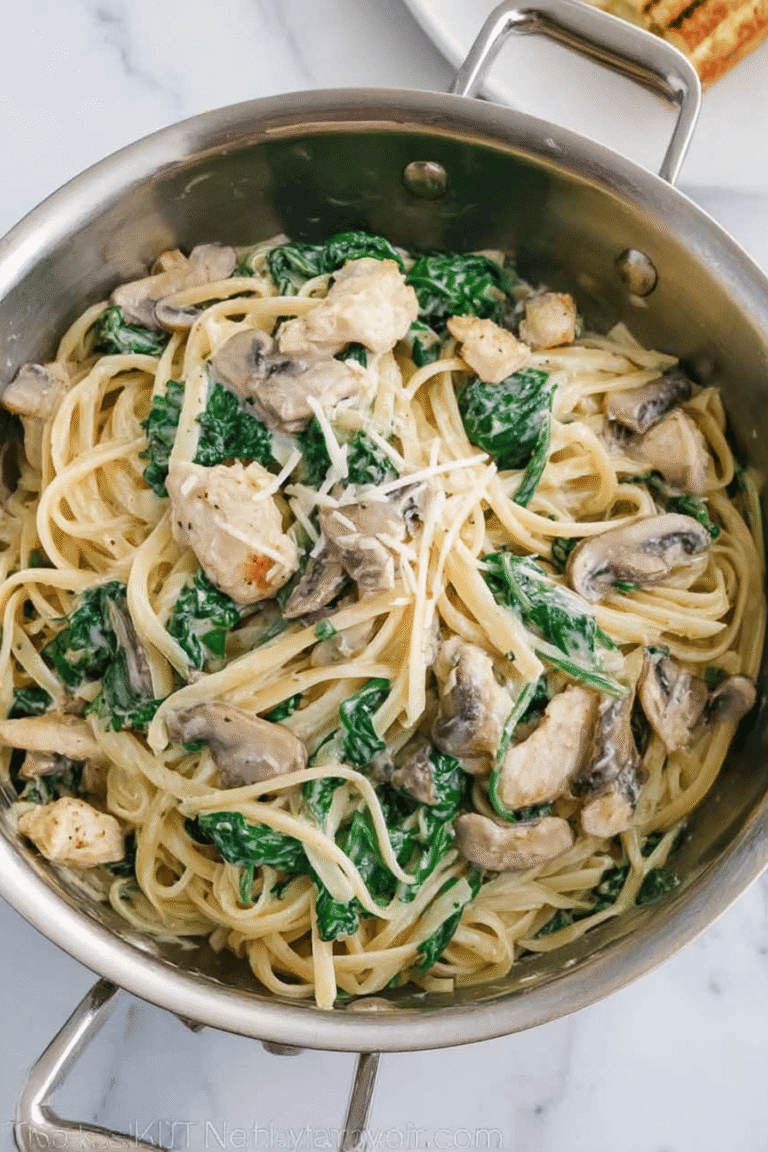
Chicken Florentine Pasta
🍝 Enjoy a creamy and flavorful Chicken Florentine Pasta that combines tender chicken, fresh spinach, and a savory garlic sauce.
🌿 This dish offers a balanced meal with a light yet rich sauce featuring chicken broth, minimal cream, and zesty Dijon mustard for a satisfying taste.
- Total Time: 30 minutes
- Yield: 4 servings
Ingredients
– 1 pound chicken tenders or chicken breasts cut into 1-inch strips
– 1½ teaspoons garlic powder
– 1 teaspoon Italian seasoning (a mix of basil, oregano, sage, rosemary, thyme, or marjoram)
– ½ teaspoon kosher salt
– ½ teaspoon freshly ground black pepper
– 2 tablespoons olive oil
– 2 tablespoons butter
– 8 oz linguine or other pasta
– 1 small onion diced (about ½ cup)
– 3 garlic cloves finely chopped (about 3 tablespoons)
– ½ teaspoon red pepper flakes (adjust to taste)
– 2 tablespoons all-purpose flour
– ¼ cup white wine
– 1½ cups chicken broth
– 2 teaspoons Dijon mustard
– ½ cup heavy cream
– 2 teaspoons lemon juice (adjust to taste)
– ½ teaspoon kosher salt (adjust to taste)
– ½ teaspoon freshly ground black pepper (adjust to taste)
– 6 oz baby spinach (coarsely chopped)
– Parmesan cheese for topping
Instructions
1-First, gather all ingredients and prepare by dicing the chicken, washing the spinach, and mincing the garlic, then bring salted water to a boil for the pasta. This sets the stage and keeps things moving quickly.
2-Second, cook the pasta according to package instructions until al dente, then drain and set aside to prevent it from getting too soft later.
3-Third, heat olive oil over medium heat in a large skillet and add minced garlic, sautéing until fragrant, about 1 minute, to build that essential garlic flavor.
4-Fourth, add the diced chicken to the skillet and cook until warmed through and slightly golden, around 3-4 minutes, ensuring it’s seasoned well for depth.
5-Fifth, stir in the fresh spinach and cook until it wilts, about 2 minutes, which adds a nutritious boost without overwhelming the dish.
6-Sixth, pour in the heavy cream and simmer gently, letting the mixture thicken for about 5 minutes to create that creamy base.
7-Seventh, add the grated Parmesan cheese, stirring until it’s melted and incorporated for a savory finish.
8-Eighth, toss the cooked pasta into the sauce mixture, making sure it’s evenly coated for the best texture.
9-Finally, adjust seasoning with salt and pepper, then serve immediately, perhaps with extra Parmesan or fresh herbs. For variations, you can modify by substituting ingredients for dietary preferences during these steps, like using tofu instead of chicken.
Last Step:
Please leave a rating and comment letting us know how you liked this recipe! This helps our business to thrive and continue providing free, high-quality recipes for you.Notes
🍽️ Use 8 oz pasta to keep the sauce creamy and well-coated.
🌿 Fresh or thawed frozen baby spinach works well.
🍗 Choose chicken tenders for quick cooking or adjust times for breast strips.
- Prep Time: 10 minutes
- Cook Time: 20 minutes
- Category: Main Course
- Method: Sautéing and Simmering
- Cuisine: Italian-American
Nutrition
- Serving Size: 1 serving