Why You’ll Love This Tilapia
Tilapia offers a straightforward path to delicious meals that appeal to home cooks and busy families alike. Its mild flavor and quick cooking time make it an excellent choice for those looking to diversify their weekly routines without spending hours in the kitchen. By incorporating fresh ingredients and simple seasonings, this fish delivers a satisfying dish that balances taste and nutrition.
One key draw is how tilapia provides a healthy protein option packed with essential nutrients. Tilapia is low in fat, calories, carbohydrates, and sodium, making it suitable for diet-conscious individuals, students, and working professionals. It includes important micronutrients such as phosphorus, niacin, selenium, vitamin B12, and potassium, while being a good source of protein that supports overall wellness.
Drawing from its background as a group of nearly a hundred species native to Africa and the Middle East, commonly found in shallow streams, ponds, rivers, and lakes, tilapia adapts well to various cooking methods. This versatility allows for easy modifications, like creating gluten-free or low-calorie versions, to meet specific dietary needs. Its affordability and widespread farming ensure it’s accessible, pairing well with sides such as steamed vegetables or for simple home cooking.
For additional insights into the health aspects, consider reading about the health benefits of tilapia. Whether you’re a food enthusiast or a senior looking for light meals, tilapia’s delicate texture and quick preparation totaling about 15-20 minutes help create memorable dining experiences.
Tilapia’s Versatility in Daily Life
The fish’s adaptability extends beyond the plate, fitting into lifestyles of travelers and newlyweds who value quick, flavorful options. You can season tilapia with everyday items like salt, pepper, and garlic, enhancing its natural taste without overwhelming complexity. This approach keeps meals exciting while maintaining nutritional value, such as its low mercury levels.
Moreover, tilapia’s mild profile makes it ideal for experimenting with herbs and spices, like paprika or parsley, to suit family preferences. For those interested in complementary recipes, check out our guide on easy fruit desserts that can follow a light fish meal. Overall, tilapia stands out as a reliable, flavorful option that supports a balanced diet.
Jump to:
- Why You’ll Love This Tilapia
- Tilapia’s Versatility in Daily Life
- Essential Ingredients for Tilapia
- Special Dietary Considerations
- How to Prepare the Perfect Tilapia: Step-by-Step Guide
- Alternative Cooking Methods
- Dietary Substitutions to Customize Your Tilapia
- Mastering Tilapia: Advanced Tips and Variations
- Enhancing Flavor and Texture
- How to Store Tilapia: Best Practices
- FAQs: Frequently Asked Questions About Tilapia
- What is tilapia and where do they naturally live?
- Why is tilapia a popular choice for fish farming?
- How nutritious is tilapia compared to other fish?
- Can tilapia negatively impact local ecosystems when introduced outside their native range?
- Are tilapia suitable for home aquariums?
- Tilapia
- Ingredients
- Instructions
- Last Step:
- Notes
- Nutrition
- Did you make this recipe?
Essential Ingredients for Tilapia
Gathering the right ingredients is key to preparing a successful tilapia dish, ensuring it meets the needs of various dietary preferences. Below is a comprehensive list of ingredients extracted from the provided details, formatted as a structured list for clarity. Each item includes precise measurements where specified in the user’s prompt to make preparation straightforward.
- 4 tilapia fillets (6 oz each) – serves as the main protein with a delicate texture
- 2 tablespoons olive oil – enhances flavor and adds healthy fats
- 2 cloves garlic, minced – provides aromatic depth and natural antioxidants
- 1 lemon, juiced and zested – brightens the dish with citrus notes and aids in tenderizing
- 1 teaspoon paprika – contributes a mild smoky flavor
- Salt and black pepper to taste – balances and enhances other flavors
- Tilapia fillets or whole fish – as needed for the base of the recipe
- Cooking oils (such as vegetable oil or olive oil) – for frying or broiling
- Seasonings including salt, pepper, garlic, Cajun spices, lemon juice, and lime juice – adjust quantities based on preference
- Additional herbs and spices (for example, paprika, chili powder, or parsley) – to taste for extra flavor
- Optional ingredients: breadcrumbs or cornmeal for coating, butter, or vegetables for serving – quantities vary by recipe variation
This list covers all ingredients mentioned in the user’s prompt, ensuring nothing is omitted. For special dietary options, consider vegan swaps like firm tofu or tempeh, or ensure all items are gluten-free certified.
Special Dietary Considerations
When adapting for specific diets, options include using firm tofu for vegan versions or opting for certified gluten-free spices. These choices help maintain the dish’s appeal for baking enthusiasts and those with restrictions.
How to Prepare the Perfect Tilapia: Step-by-Step Guide
Preparing tilapia involves a simple process that yields tender, flavorful results in a short time. Start by preheating your oven to optimize cooking efficiency. Following these steps ensures even cooking and enhances the fish’s natural qualities.
First, preheat your oven to 400°F (200°C) and line a baking sheet with parchment paper for easy cleanup. Rinse the tilapia fillets under cold water and pat dry with paper towels to remove excess moisture. This preparation step helps seasoning stick and prevents sogginess.
In a small bowl, combine olive oil, minced garlic, lemon juice and zest, paprika, salt, and pepper to create a marinade. Brush this mixture evenly over each tilapia fillet to ensure full coverage. Place the fillets on the prepared baking sheet, spacing them out for uniform heat distribution.
Bake for 12-15 minutes or until the fish flakes easily with a fork, indicating it’s done. For variations, clean and pat dry the tilapia fillets or whole fish first, then season with preferred spices. If frying, lightly coat with flour, bread crumbs, or cornmeal and fry in hot oil until golden.
Cooking times are short due to tilapia’s delicate texture, typically 5-10 minutes for frying or broiling. To enhance flavor, marinate with citrus juice, and remember total preparation is about 15-20 minutes. Serve hot with sides like rice or salads, incorporating tips like selecting fresh fish from sustainable farms.
Alternative Cooking Methods
For broiling, place seasoned fillets under the broiler and baste with lemon juice until they flake easily. These methods highlight tilapia’s ease of preparation, making it suitable for busy parents and working professionals.

Dietary Substitutions to Customize Your Tilapia
Customizing tilapia recipes allows for flexibility to accommodate different tastes and dietary needs. Swapping ingredients can maintain the dish’s core appeal while adapting to specific requirements.
Protein alternatives include swapping tilapia with cod, haddock, or catfish for a similar flaky texture. For vegan options, use grilled tofu or tempeh seasoned in the same way. Vegetable modifications might involve adding zucchini, asparagus, or bell peppers for extra nutrition.
Sauce and seasoning changes, like using gluten-free soy sauce, help with restrictions. Experiment with herbs such as dill or basil to vary flavors without adding extra calories, ensuring the recipe remains accessible for all audiences.
Mastering Tilapia: Advanced Tips and Variations
Taking your tilapia skills further involves learning pro techniques and flavor experiments. A quick pan-sear before baking adds a crispy exterior while keeping the inside moist. Use a thermometer to reach 145°F for perfect doneness, avoiding common issues like dryness.
Flavor variations could include a spice rub with cumin and coriander or a Mediterranean mix with olives and tomatoes. Presentation ideas, such as serving over colorful vegetables or rice with herbs, elevate the meal’s appeal. For make-ahead options, marinate overnight to deepen flavors, ideal for busy schedules.
Incorporate tips like opting for light-colored fillets or using male tilapia for larger yields. Sustainable farming choices minimize environmental impact, aligning with eco-conscious practices.
Enhancing Flavor and Texture
Marinating with citrus juice tenderizes the fish and boosts taste, while short cooking times preserve moisture. These advanced methods make tilapia a versatile staple for food enthusiasts and newlyweds.
How to Store Tilapia: Best Practices
Proper storage keeps tilapia fresh and safe, extending its usability. Refrigerate cooked tilapia in an airtight container and use within 2 days to avoid spoilage. For freezing, wrap fillets tightly to prevent freezer burn and store up to 3 months.
Reheating options include using a low oven at 275°F or a microwave with a moist paper towel to retain texture. Meal prep involves portioning into single servings for easy weeknight use, supporting busy parents and students.
| Storage Method | Duration | Tips |
|---|---|---|
| Refrigeration | Up to 2 days | Use airtight containers to maintain freshness |
| Freezing | Up to 3 months | Wrap tightly to avoid freezer burn |
| Reheating | N/A | Gently warm to preserve moisture |
FAQs: Frequently Asked Questions About Tilapia
What is tilapia and where do they naturally live?
Tilapia refers to nearly 100 species of freshwater fish primarily native to Africa and the Middle East. They naturally inhabit shallow rivers, lakes, ponds, and streams. Some species can tolerate brackish water, but they generally do not survive in cold or temperate climates.
Why is tilapia a popular choice for fish farming?
Tilapia are commonly farmed because they grow quickly, eat mainly plant-based foods, and adapt well to various freshwater environments. These traits reduce farming costs and environmental impacts, making them affordable and accessible protein sources worldwide.
How nutritious is tilapia compared to other fish?
Tilapia is low in fat, calories, and carbohydrates while providing a good amount of protein and essential micronutrients. However, it has lower omega-3 fatty acids than fatty fish like salmon, so it can be part of a balanced diet but shouldn’t be the sole source of omega-3s.
Can tilapia negatively impact local ecosystems when introduced outside their native range?
Yes, tilapia species introduced to areas outside their native habitats can become invasive. Their fast reproduction and adaptability often disrupt local fish populations and aquatic ecosystems by competing with native species for food and habitat.
Are tilapia suitable for home aquariums?
Smaller species of tilapia from West Africa can be kept in home aquariums. However, larger tilapia tend to uproot plants, dig in substrates, and may be aggressive, making them less ideal as community tank fish. Proper tank size and species choice are important considerations.
Tilapia
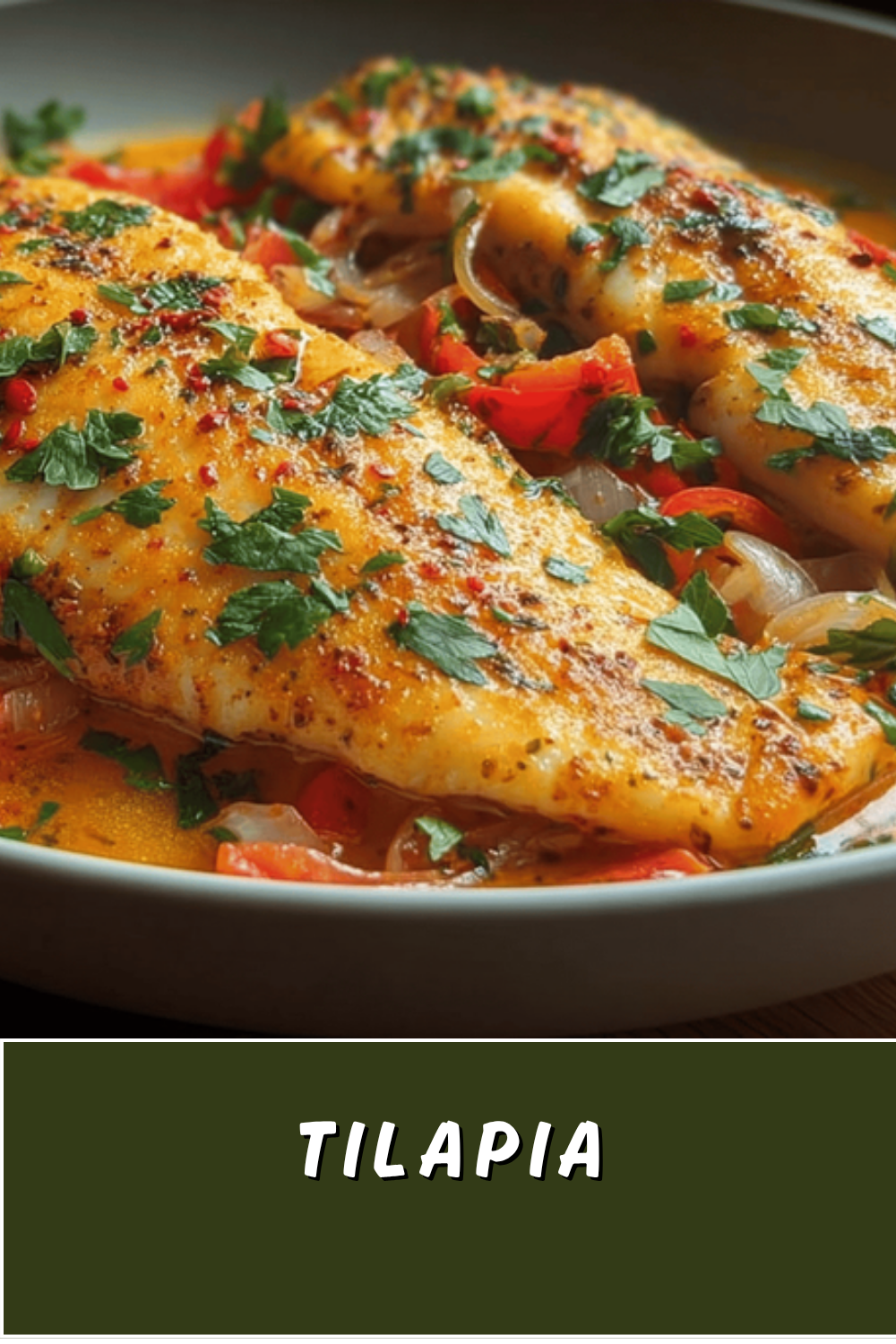
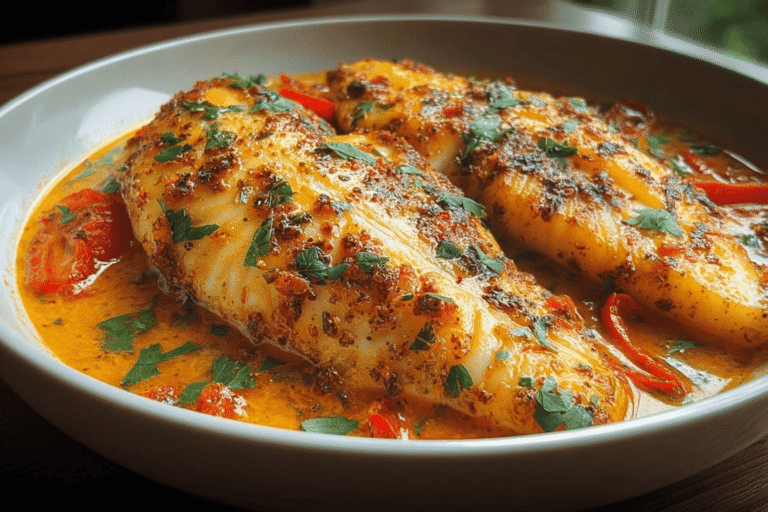
🐟 Tilapia offers a mild, versatile flavor that makes it easy to prepare for a variety of dishes.
🍋 Its quick cooking time and affordability make it a great option for healthy and flavorful meals.
- Total Time: 15-20 minutes
- Yield: Varies based on serving size
Ingredients
4 tilapia fillets (6 oz each) serves as the main protein with a delicate texture
2 tablespoons olive oil enhances flavor and adds healthy fats
2 cloves garlic, minced provides aromatic depth and natural antioxidants
1 lemon, juiced and zested brightens the dish with citrus notes and aids in tenderizing
1 teaspoon paprika contributes a mild smoky flavor
Salt and black pepper to taste balances and enhances other flavors
Tilapia fillets or whole fish as needed for the base of the recipe
Cooking oils (such as vegetable oil or olive oil) for frying or broiling
Seasonings including salt, pepper, garlic, Cajun spices, lemon juice, and lime juice adjust quantities based on preference
Additional herbs and spices (for example, paprika, chili powder, or parsley) to taste for extra flavor
Optional ingredients: breadcrumbs or cornmeal for coating, butter, or vegetables for serving quantities vary by recipe variation
Instructions
1-First, preheat your oven to 400°F (200°C) and line a baking sheet with parchment paper for easy cleanup. Rinse the tilapia fillets under cold water and pat dry with paper towels to remove excess moisture. This preparation step helps seasoning stick and prevents sogginess.
2-In a small bowl, combine olive oil, minced garlic, lemon juice and zest, paprika, salt, and pepper to create a marinade. Brush this mixture evenly over each tilapia fillet to ensure full coverage. Place the fillets on the prepared baking sheet, spacing them out for uniform heat distribution.
3-Bake for 12-15 minutes or until the fish flakes easily with a fork, indicating it’s done. For variations, clean and pat dry the tilapia fillets or whole fish first, then season with preferred spices. If frying, lightly coat with flour, bread crumbs, or cornmeal and fry in hot oil until golden.
4-Cooking times are short due to tilapia’s delicate texture, typically 5-10 minutes for frying or broiling. To enhance flavor, marinate with citrus juice, and remember total preparation is about 15-20 minutes. Serve hot with sides like rice or salads, incorporating tips like selecting fresh fish from sustainable farms.
5-For broiling, place seasoned fillets under the broiler and baste with lemon juice until they flake easily. These methods highlight tilapia’s ease of preparation, making it suitable for busy parents and working professionals.
Last Step:
Please leave a rating and comment letting us know how you liked this recipe! This helps our business to thrive and continue providing free, high-quality recipes for you.Notes
🌿 Use fresh fish from sustainable farms to ensure quality and environmental responsibility.
⏲️ Avoid overcooking to keep the fish moist and tender.
🍋 Marinate fish with citrus juice or vinegar to enhance flavor and tenderness.
- Prep Time: 5-10 minutes
- Cook time: 5-10 minutes
- Cook Time: 5-10 minutes
- Category: Main Course
- Method: Frying or Broiling
- Cuisine: Various
- Diet: Gluten-free option
Nutrition
- Serving Size: 1 fillet