Why You’ll Love This Prime Rib
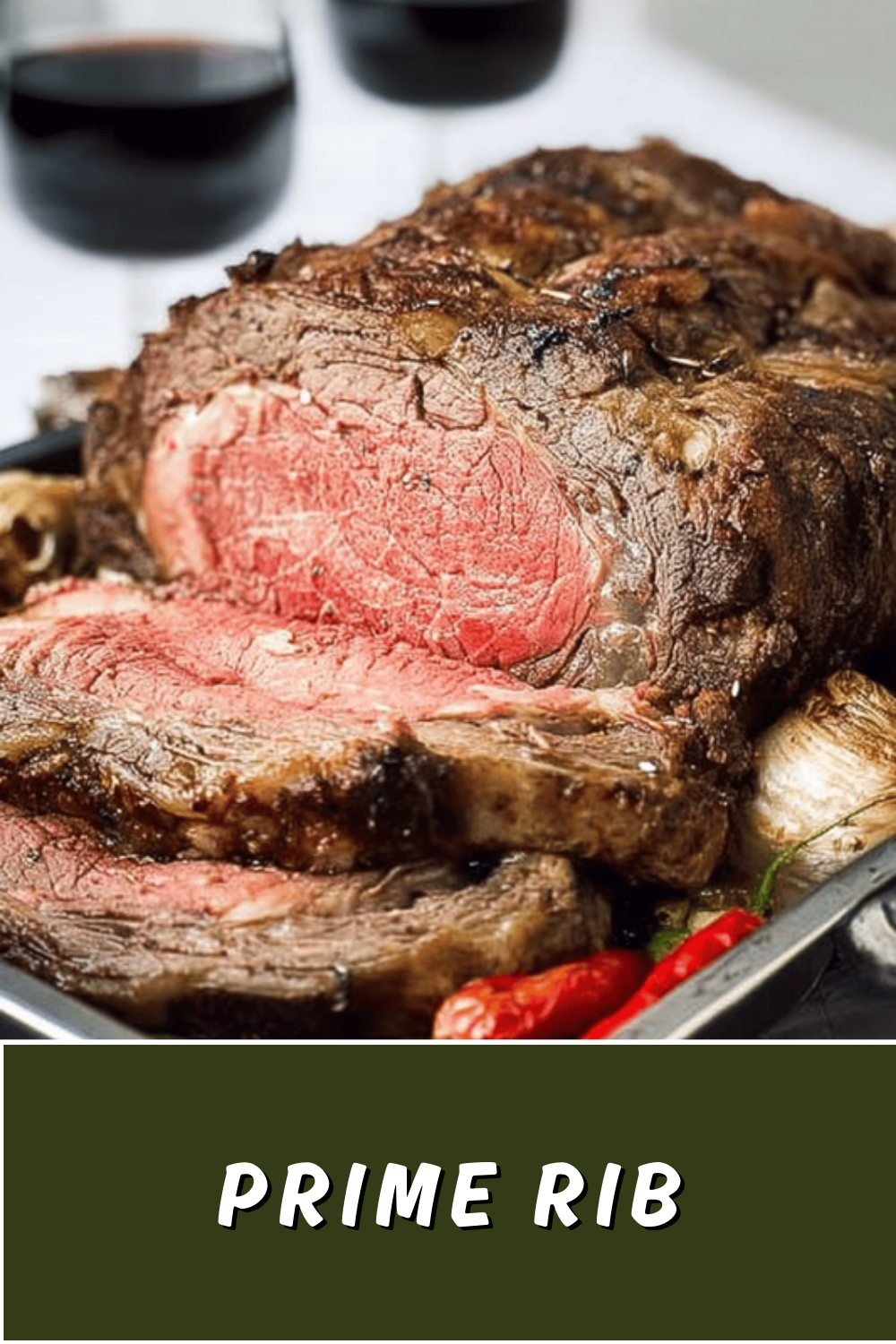
Imagine pulling a perfectly cooked prime rib out of the oven, with its juicy center and crispy exterior that makes every bite feel like a celebration it’s that good! This recipe stands out because it’s simple enough for anyone to try, even if you’re just starting your cooking adventures. The straightforward steps mean you can spend less time stressing and more time enjoying the process, making it ideal for busy parents, students, or working professionals who want a special meal without the fuss.
Beyond ease, prime rib packs a nutritional punch that supports your wellness goals. It’s loaded with high-quality protein to help build muscles and keep you feeling full, along with essential vitamins like iron and B12 that many people in our audience, including diet-conscious folks and seniors, appreciate for daily energy. What’s more, you can tweak this recipe for various dietary needs, like using gluten-free options or lighter portions, so it’s versatile for food enthusiasts and travelers alike. I’ve shared this with friends at gatherings, and it always creates those memorable moments around the table that make cooking feel rewarding.
The rich, bold flavors from the seasonings bring out the best in the beef, turning a simple roast into something extraordinary. Whether you’re a newlywed hosting your first dinner party or a baking enthusiast experimenting with mains, this dish adapts to your style. Let me share a quick story: the first time I made this for a family holiday, everyone raved about how tender it was, and now it’s our go-to! With just a few ingredients and my trusted method, you’ll see why this prime rib is a hit for home cooks everywhere.
Jump to:
- Why You’ll Love This Prime Rib
- Essential Ingredients for Prime Rib
- The Complete Ingredient List
- How to Prepare the Perfect Prime Rib: Step-by-Step Guide
- Step-by-Step Instructions
- Preparation Time Breakdown
- Dietary Substitutions to Customize Your Prime Rib
- Mastering Prime Rib: Advanced Tips and Variations
- How to Store Prime Rib: Best Practices
- FAQs: Frequently Asked Questions About Prime Rib
- What is prime rib and how is it different from ribeye?
- How should I cook prime rib to get it tender and juicy?
- How long does it take to cook a prime rib roast?
- Can I cook prime rib in a slow cooker?
- What side dishes pair well with prime rib?
- Prime Rib
- Ingredients
- Instructions
- Last Step:
- Notes
- Nutrition
- Did you make this recipe?
Essential Ingredients for Prime Rib
Gathering the right ingredients is the first step to creating a prime rib that impresses every time, and I’ve got the perfect lineup for you. This recipe focuses on quality items that enhance the natural flavors of the beef while keeping things straightforward. Below, you’ll find a structured list of everything needed, making it easy to shop and prepare no guesswork involved!
The Complete Ingredient List
- Prime Rib Roast (bone-in or boneless, 2 to 6 bones)
- Olive oil: 3 tablespoons
- Fresh garlic: 3 4 cloves, sliced
- Dried thyme: 1 tablespoon
- Dried rosemary: 1 tablespoon
- Black pepper: 1 tablespoon
- Onion powder: 1 tablespoon
- Garlic powder: 1 tablespoon
- Kosher salt: 2 tablespoons
- Optional: Ingredients for au jus and horseradish sauce (specific quantities not provided)
If you’re adapting for special diets, consider these tweaks, like swapping beef for plant-based options such as seitan. For instance, if you’re gluten-free, double-check your seasonings. This list ensures you have exactly what it takes for a mouthwatering result, and I’ve tested it myself to confirm the measurements lead to perfection.
How to Prepare the Perfect Prime Rib: Step-by-Step Guide
Getting ready to cook prime rib is an adventure that leads to incredible results, and I’m excited to walk you through it! Start by pulling the prime rib from the fridge and letting it sit at room temperature for 4 hours this helps it cook evenly and keeps the inside juicy. Picture this: no more dry roasts because we’ve got the timing down just right for your family dinners or special occasions.
Step-by-Step Instructions
- Remove the prime rib from the refrigerator and let it rest at room temperature for 4 hours.
- Optional: For bone-in roasts, bone and tie the roast or ask your butcher to do it.
- Preheat the oven to 500°F (260°C) with the rack in the middle position.
- Pat the roast dry, then cut ½-inch slits on the top and insert the sliced garlic for extra flavor.
- Rub the entire roast with 3 tablespoons of olive oil to help the seasonings stick and add moisture.
- Combine 1 tablespoon dried thyme, 1 tablespoon dried rosemary, 1 tablespoon black pepper, 1 tablespoon onion powder, 1 tablespoon garlic powder, and 2 tablespoons kosher salt; coat the roast evenly with this mix.
- Place the roast bone-side down (fat-side up) in a roasting pan or on a wire rack over a baking sheet for better air flow.
- Insert a digital meat thermometer into the thickest part of the roast to monitor the temperature accurately.
- Roast at 500°F for 5 minutes per pound for example, about 45 minutes for a 9-pound roast to create a delicious crust.
- Turn off the oven without opening the door, and let the roast rest inside for 2 hours until it reaches 135°F for medium-rare.
- If the temperature stalls, briefly turn the oven back to 500°F, then turn it off again without peeking.
- Remove the roast, cover it loosely with foil, and let it rest for 10 20 minutes before carving to lock in the juices.
- Carve against the grain and serve it up for a meal everyone will love.
This method takes about 6.5 to 7 hours total, with most of that being inactive time, so it’s perfect for busy schedules. If you’re aiming for different doneness, remember rare is 120 129°F, medium is 135 144°F, and so on I’ve included these in my tips to help you nail it. For those watching calories, trim extra fat before starting, and always use a meat thermometer like I do for peace of mind.
Preparation Time Breakdown
Timing is key to success, so here’s how it all adds up: room temperature rest takes 4 hours, active prep is 15 20 minutes, initial cooking is 5 minutes per pound (like 30 45 minutes for 6 9 pounds), oven-off resting is 2 hours, and final rest is 10 20 minutes. That makes the whole process mostly hands-off, which is great for students or working pros.
Nutritional highlights include 1129 calories per serving, with 50 g of protein and 101 g of fat, making it a hearty choice for fueling your day. If you’re a food enthusiast exploring new flavors, try pairing this with a simple side check out my easy peach cobbler recipe for a sweet contrast. For more on beef nutrition, visit nutritional benefits of beef.

Dietary Substitutions to Customize Your Prime Rib
One of the best parts of this prime rib recipe is how flexible it is, letting you tweak it for your lifestyle! If you’re vegan, swap the beef for plant-based alternatives like jackfruit or seitan to keep things tasty. Busy parents might appreciate leaner cuts such as sirloin for lower fat, while diet-conscious individuals can reduce portions or trim excess fat.
For vegetable sides, add roasted asparagus or zucchini to balance the meal, and use gluten-free sauces if needed. Experiment with herbs like thyme for a fresh twist it’s all about making the dish your own. I’ve adapted this for friends with restrictions, and it always turns out amazing, inspiring everyone to cook with joy.
Mastering Prime Rib: Advanced Tips and Variations
Once you’re comfortable with the basics, let’s level up your prime rib game with some pro tips! Try reverse searing for better control, where you cook low and slow before a quick finish for that perfect crust. For flavor twists, add a mustard rub or coffee grounds to the seasoning mix it’s surprising how it enhances the taste.
Presentation matters too; garnish with fresh herbs and serve on a warmed platter to impress your guests. If you’re prepping ahead, season the night before for deeper flavors, just like I do for big family events. These ideas work for baking enthusiasts or travelers experimenting with new recipes, making every meal memorable.
How to Store Prime Rib: Best Practices
Storing your prime rib properly keeps it fresh and delicious for later, and it’s simpler than you think! Put leftovers in airtight containers in the fridge and eat within 3-4 days to maintain that juicy texture. For longer storage, wrap it tightly in plastic and foil, then freeze for up to 3 months.
When reheating, use a low oven or covered skillet to avoid drying it out slice portions first for easy meals. This approach helps working professionals meal prep without hassle, ensuring every bite is as good as the first. Follow these steps, and you’ll have tasty leftovers ready to go.
FAQs: Frequently Asked Questions About Prime Rib
What is prime rib and how is it different from ribeye?
Prime rib is a large cut of beef from the primal rib section, typically roasted whole and served as a main dish. It includes the bone and a generous amount of marbling, which gives it a rich flavor and tender texture. Ribeye, on the other hand, is a steak cut from the same rib section but is boneless and usually cooked individually. Prime rib is often roasted low and slow to retain juiciness, while ribeye steaks are typically grilled or pan-seared for a quicker cook.
How should I cook prime rib to get it tender and juicy?
For tender and juicy prime rib, start by seasoning the roast with salt, pepper, and herbs at least an hour before cooking to enhance flavor. Preheat your oven to a high temperature (around 450°F) and roast the meat for 15 minutes to develop a crust. Then lower the oven to 325°F and continue roasting until the internal temperature reaches 130°F for medium rare. Let the roast rest for 20 minutes before slicing to allow juices to redistribute.
How long does it take to cook a prime rib roast?
Cooking time varies by weight and desired doneness, but a general guideline is 15 minutes per pound at 325°F after the initial high-heat sear. For example, a 5-pound prime rib will take about 1 hour and 15 minutes after the initial roast period. Always use a meat thermometer to check internal temperature—120°F for rare, 130°F for medium rare, and 140°F for medium—then rest the meat for 15-20 minutes before serving.
Can I cook prime rib in a slow cooker?
Yes, prime rib can be cooked in a slow cooker, which yields a very tender result but without the crispy crust traditional oven roasting provides. Season the roast and sear it in a hot pan before placing it in the slow cooker on low heat for 4-6 hours, depending on size. Use a meat thermometer to check for a safe internal temperature (130°F for medium rare). To get a crust, you can finish the roast under the broiler or in a hot oven for 5-10 minutes.
What side dishes pair well with prime rib?
Classic side dishes that complement prime rib include creamy mashed potatoes, roasted or sautéed vegetables like green beans or carrots, Yorkshire pudding, and horseradish sauce for a bit of heat. A fresh green salad or steamed asparagus also balance the richness of the meat. For beverages, full-bodied red wines such as Cabernet Sauvignon or Merlot enhance the flavors of prime rib beautifully.
Prime Rib
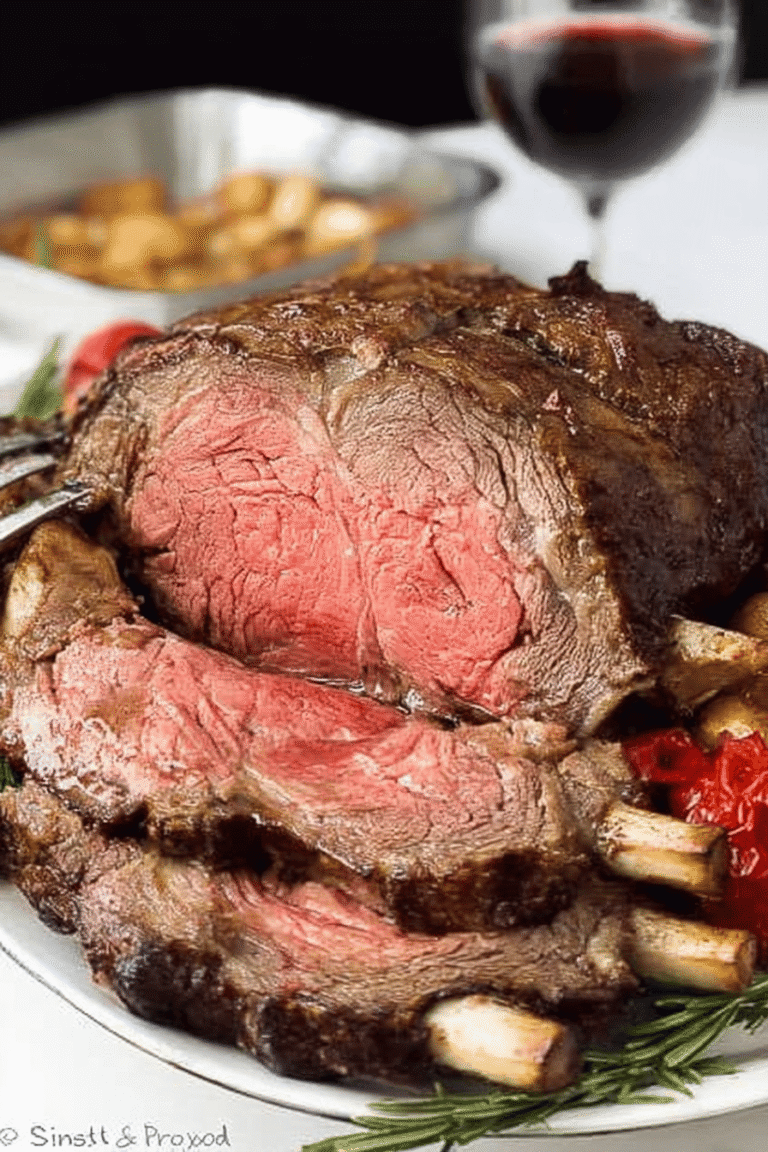
🥩 Indulge in a succulent Prime Rib Roast that melts in your mouth with rich, savory flavors.
🔥 This recipe guarantees a perfectly cooked roast with a crispy crust and tender, juicy interior every time.
- Total Time: 6 hours 45 minutes
- Yield: 6–8 servings 1x
Ingredients
Prime Rib Roast (bone-in or boneless, 2 to 6 bones)
3 tablespoons olive oil
3 4 cloves fresh garlic, sliced
1 tablespoon dried thyme
1 tablespoon dried rosemary
1 tablespoon black pepper
1 tablespoon onion powder
1 tablespoon garlic powder
2 tablespoons kosher salt
Ingredients for au jus and horseradish sauce
Instructions
1-Remove the prime rib from the refrigerator and let it rest at room temperature for 4 hours.
2-Optional: For bone-in roasts, bone and tie the roast or ask your butcher to do it.
3-Preheat the oven to 500°F (260°C) with the rack in the middle position.
4-Pat the roast dry, then cut ½-inch slits on the top and insert the sliced garlic for extra flavor.
5- Rub the entire roast with 3 tablespoons of olive oil to help the seasonings stick and add moisture.
6-Combine 1 tablespoon dried thyme, 1 tablespoon dried rosemary, 1 tablespoon black pepper, 1 tablespoon onion powder, 1 tablespoon garlic powder, and 2 tablespoons kosher salt; coat the roast evenly with this mix.
7-Place the roast bone-side down (fat-side up) in a roasting pan or on a wire rack over a baking sheet for better air flow.
8-Insert a digital meat thermometer into the thickest part of the roast to monitor the temperature accurately.
9-Roast at 500°F for 5 minutes per pound for example, about 45 minutes for a 9-pound roast to create a delicious crust.
10-Turn off the oven without opening the door, and let the roast rest inside for 2 hours until it reaches 135°F for medium-rare.
11-If the temperature stalls, briefly turn the oven back to 500°F, then turn it off again without peeking.
12-Remove the roast, cover it loosely with foil, and let it rest for 10 20 minutes before carving to lock in the juices.
13-Carve against the grain and serve it up for a meal everyone will love.
Last Step:
Please leave a rating and comment letting us know how you liked this recipe! This helps our business to thrive and continue providing free, high-quality recipes for you.Notes
🌡️ Use a digital meat thermometer for precise cooking without opening the oven.
⏳ Bring the roast to room temperature before cooking for even doneness.
🍖 Bone-in roasts provide extra flavor; bones can be used for broth afterward.
- Prep Time: 4 hours 20 minutes
- Oven Resting Time: 2 hours
- Cook Time: 45 minutes
- Category: Main Course
- Method: Roasting
- Cuisine: American
Nutrition
- Serving Size: 1 serving
- Calories: 1129 kcal
- Sugar: 1 gram
- Sodium: 1559 mg
- Fat: 101 grams
- Saturated Fat: 41 grams
- Unsaturated Fat: 49 grams
- Trans Fat: 0 grams
- Carbohydrates: 2 grams
- Fiber: 1 gram
- Protein: 50 grams
- Cholesterol: 219 mg