Why You’ll Love This Compound Butter
If you’ve ever wanted to add a burst of flavor to your meals without much effort, compound butter is a game-changer I swear by in my kitchen. The primary keyword here, compound butter, offers a simple way to mix up everyday dishes with fresh herbs and seasonings that turn ordinary ingredients into something special. Let me share why this easy recipe has become a staple for home cooks like me, especially when you’re in a rush but still crave that homemade taste.
This compound butter comes together in just minutes, making it perfect for busy days when you need a quick flavor boost. For instance, you can whip it up with things like fresh herbs and garlic, which pack a punch of nutrition while keeping things straightforward. It’s not only versatile for various diets but also delivers a unique taste that makes even simple meals feel like a treat from a fancy restaurant.
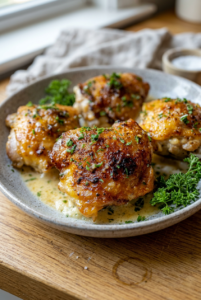
One reason I keep coming back to compound butter is its adaptability. Whether you’re making it for a family dinner or a quick snack, it works wonders on everything from grilled veggies to warm bread. Plus, the blend of ingredients provides subtle health perks, like antioxidants from herbs, which can make you feel good about what you’re eating. That’s why I think it’s a must-try for anyone looking to spice up their cooking routine.
Jump to:
- Why You’ll Love This Compound Butter
- Essential Ingredients for Compound Butter
- Garlic Chive Dill Recipe Ingredients
- Lemon Thyme Recipe Ingredients
- Honey Rosemary Sage Recipe Ingredients
- Sun-Dried Tomato Basil Recipe Ingredients
- How to Prepare the Perfect Compound Butter: Step-by-Step Guide
- Dietary Substitutions to Customize Your Compound Butter
- Mastering Compound Butter: Advanced Tips and Variations
- How to Store Compound Butter: Best Practices
- FAQs: Frequently Asked Questions About Compound Butter
- What is compound butter and how is it made?
- How long can you store compound butter, and what’s the best way to store it?
- What are common uses for compound butter in cooking?
- Can I make compound butter with salted butter or should I always use unsalted butter?
- Are there any popular flavor combinations for compound butter to try?
- Compound Butter
- Ingredients
- Instructions
- Last Step:
- Notes
- Nutrition
- Did you make this recipe?
Essential Ingredients for Compound Butter
Getting the right ingredients is key to making great compound butter, and I always start with high-quality items to ensure the best results. Below, I’ve listed out the specific recipes with exact measurements so you can follow along easily. Each one uses ½ cup of unsalted butter as the base, which lets you control the salt and mix in flavors just right.
Garlic Chive Dill Recipe Ingredients
- ½ cup unsalted butter (at room temperature)
- 1 tablespoon finely chopped dill
- 1 tablespoon finely chopped chives
- ½ clove garlic (grated)
- ½ teaspoon salt
Lemon Thyme Recipe Ingredients
- ½ cup unsalted butter (at room temperature)
- 2 teaspoons fresh thyme leaves
- ¼ teaspoon lemon zest
- ½ teaspoon salt
- Pinch of black pepper
Honey Rosemary Sage Recipe Ingredients
- ½ cup unsalted butter (at room temperature)
- 1 teaspoon finely chopped rosemary
- 1 teaspoon finely chopped sage
- 1 teaspoon honey or maple syrup
- ½ teaspoon salt
Sun-Dried Tomato Basil Recipe Ingredients
- ½ cup unsalted butter (at room temperature)
- 1 tablespoon finely chopped basil leaves
- 1 tablespoon finely chopped sun-dried tomatoes
- ½ teaspoon salt
- ¼ teaspoon black pepper
These measurements make it simple to measure and mix, and they cover everything you need for each version. Remember, using fresh herbs really brings out the best taste, and this setup works for about four different flavors you can try right away.
How to Prepare the Perfect Compound Butter: Step-by-Step Guide
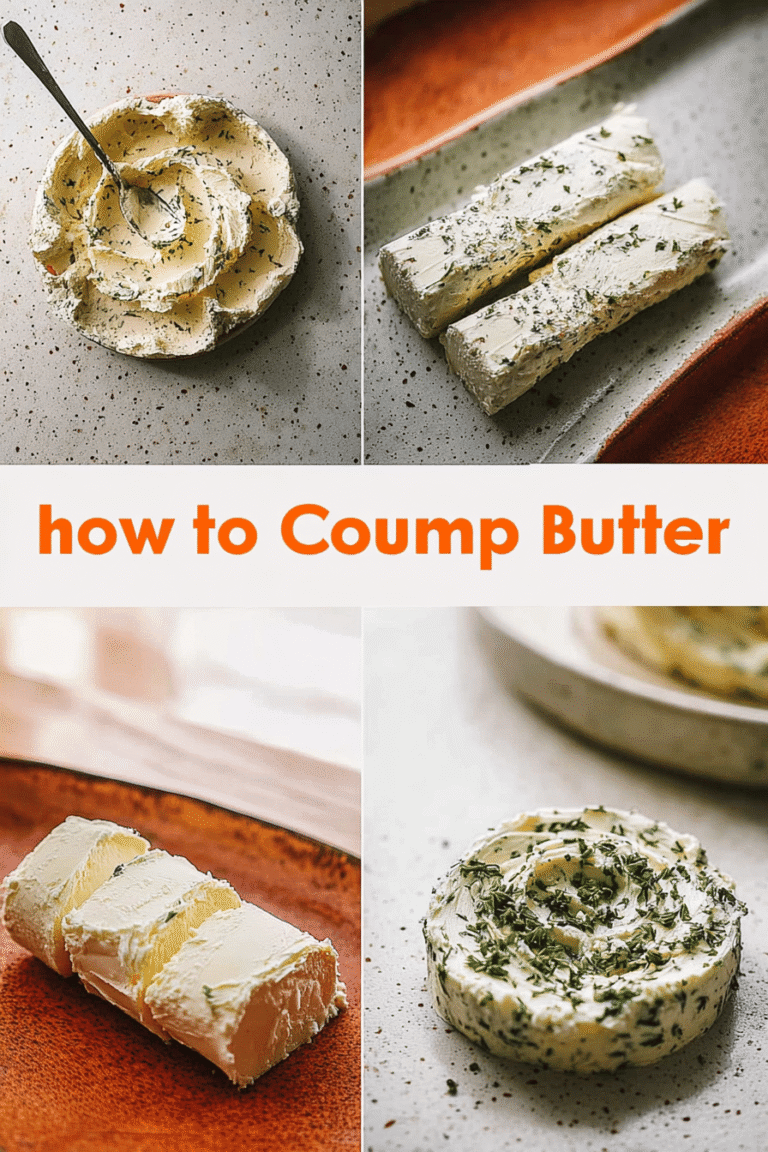
Making compound butter is one of those kitchen hacks that I love because it’s so straightforward and rewarding. First, let the unsalted butter soften at room temperature for about 1 hour this step is crucial to get that smooth mix without any lumps. Once it’s ready, gather your chosen herbs and seasonings from the recipes above.
Next, in a small bowl, stir the softened butter together with the herbs until everything blends evenly. I like to do this by hand for that personal touch, but it only takes a minute or two. Then, place the mixture on parchment paper or plastic wrap and roll it into a log that’s about 4 inches long and 1 inch wide.
After that, twist the ends of the wrap tightly to seal it up. The final step is to chill the log in the fridge overnight or until it’s firm enough to slice. This whole process takes roughly 10 minutes of active prep time, plus the softening and chilling, and it’s a fun way to experiment with flavors. For a smooth finish, I often add in tips like not microwaving the butter, as it keeps the texture just right.

Dietary Substitutions to Customize Your Compound Butter
One thing I enjoy about compound butter is how easy it is to tweak for different needs, and that’s where substitutions come in handy. For vegan options, swap out the unsalted butter with a plant-based spread and remember to skip any added salt since many of those are already salted. If you’re watching calories, try using a lighter margarine to keep things tasty without the extra heft.
Gluten-free folks will appreciate that most of these ingredients are naturally safe, as long as you check for any hidden additives. When it comes to herbs, you can switch things up like using cilantro instead of dill for a fresh twist or add in citrus like lime zest if lemon isn’t your thing. These changes help make compound butter fit your lifestyle while keeping that delicious flavor intact.
Mastering Compound Butter: Advanced Tips and Variations
Once you’ve nailed the basics, it’s time to level up your compound butter game, and I have some favorite tricks to share. Start by chilling your bowl and tools before mixing; this helps keep the butter smooth and prevents it from getting too soft. If you want a finer blend, a food processor can make quick work of it, adding professional flair to your home cooking.
For fun variations, try mixing in extras like roasted shallots or sun-dried tomatoes to create unique profiles that surprise your taste buds. You can also experiment with herb combos or even toss in nuts for a bit of crunch it’s all about making it your own. One tip I always follow is making larger batches and freezing portions, which comes in handy for busy weeks, and freezing in ice cube trays gives you perfect servings every time.
Here are some quick uses to inspire you:
- Corn on the cob for a fresh summer side
- Baked potatoes to add a savory kick
- Pasta or noodles to mix in extra flavor
- Toast for an easy breakfast upgrade
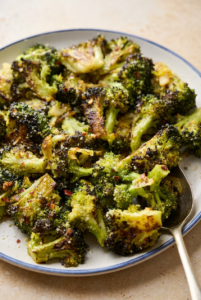
- Grilled vegetables to enhance natural tastes
Presentation matters too; slice it neatly and place it on warm dishes for that wow factor. For more sweet ideas, check out my peach cobbler recipe which pairs well with flavored butters.
How to Store Compound Butter: Best Practices
Storing compound butter properly keeps it fresh and ready for your next meal, and I’ve learned a few ways to make it last. Keep it wrapped tightly in parchment or plastic in the fridge, where it’ll stay good for up to two weeks without picking up odd smells from other foods. For longer storage, freezing is a great option, letting it hold up for around three months.
When you freeze it, wrap individual portions securely to avoid freezer burn, and label them so you know what’s inside. I like using this method for meal prep because it saves time, and you can just grab a slice when needed. Remember, it’s best served cold or at room temp, so don’t heat it up too much to preserve those lovely flavors and textures.
To make it even simpler, here’s a quick table of storage tips:
| Method | Duration | Tips |
|---|---|---|
| Refrigeration | Up to 2 weeks | Wrap tightly and use airtight containers |
| Freezing | Up to 3 months | Portion into ice cube trays for easy use |
FAQs: Frequently Asked Questions About Compound Butter
What is compound butter and how is it made?
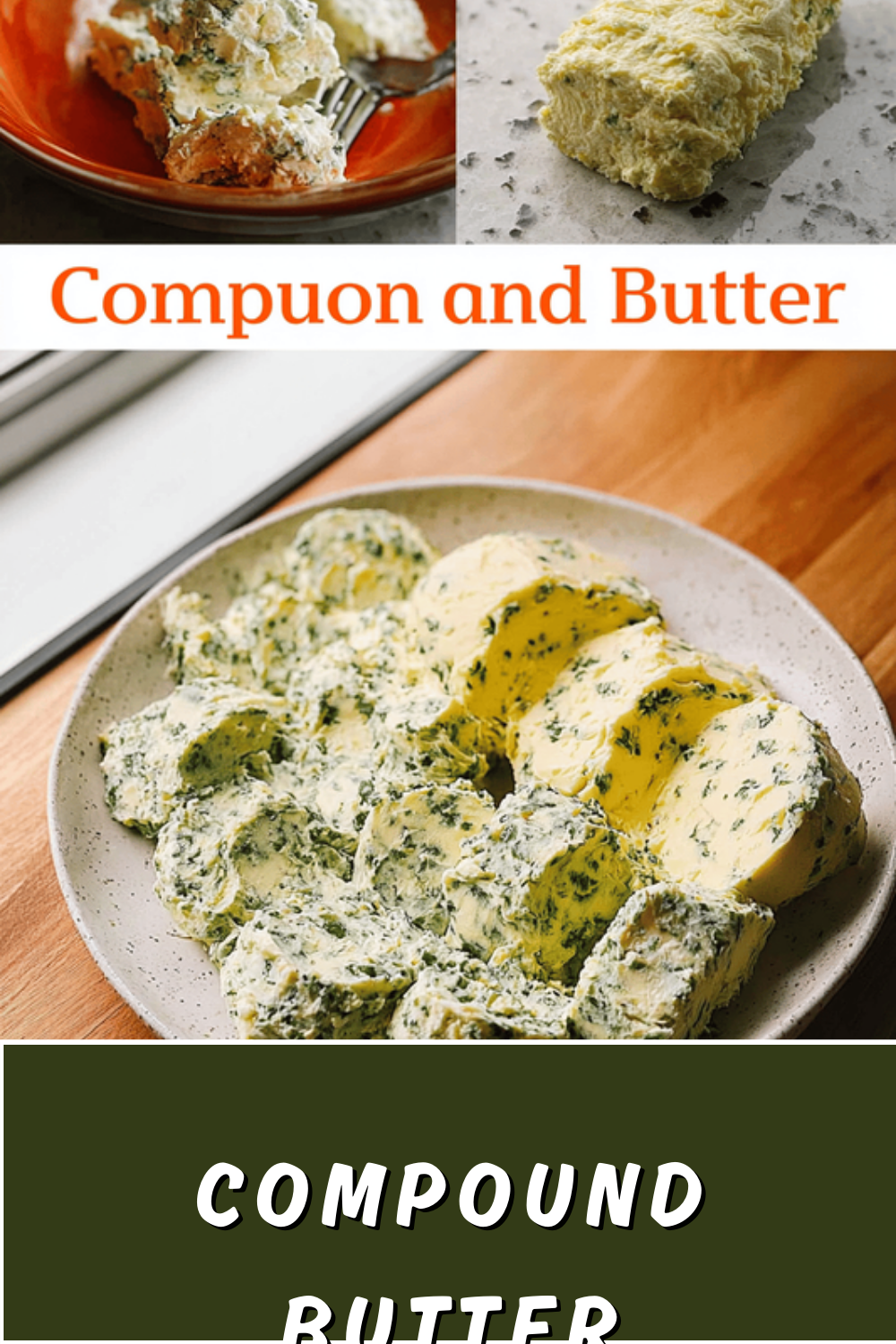
Compound butter is a mixture of softened butter blended with additional ingredients like herbs, spices, garlic, citrus zest, or even sweet additions such as honey. To make it, soften unsalted butter at room temperature, then thoroughly mix in your chosen flavorings. Once combined, shape the mixture into a log using parchment paper or plastic wrap, then chill it in the refrigerator until firm. This preparation allows for easy slicing and adds rich flavor to dishes like steaks, vegetables, or bread.
How long can you store compound butter, and what’s the best way to store it?
Properly stored, compound butter can last up to two weeks in the refrigerator and up to three months in the freezer. To maximize freshness, wrap the butter log tightly in plastic wrap or parchment paper and place it in an airtight container or freezer bag. When you need it, simply slice off the desired amount and return the rest to storage. Keeping compound butter cold prevents spoilage and maintains its flavor and texture.
What are common uses for compound butter in cooking?
Compound butter is versatile and can be used to add flavor and moisture to many dishes. It’s commonly melted over grilled meats or fish, spread on warm bread, tossed with steamed vegetables, or stirred into cooked pasta. Because of its concentrated taste, a small amount can enhance the richness and depth of flavor without overpowering the dish.
Can I make compound butter with salted butter or should I always use unsalted butter?
It’s generally recommended to use unsalted butter for compound butter because it gives you full control over the seasoning and salt content. Using salted butter can make it harder to balance the flavors, especially when adding herbs or spices that also have salt. However, if you only have salted butter, reduce or omit any additional salt in your recipe to avoid oversalting.
Are there any popular flavor combinations for compound butter to try?
Yes, some classic and popular combinations include garlic and parsley, lemon and thyme, or honey and cinnamon for a sweeter touch. Other ideas include chili and lime for a spicy kick or rosemary and sea salt for a savory option. These combinations complement a wide range of dishes and can be tailored to your taste preferences, making compound butter a simple way to add personalized flavor to meals.
Compound Butter
🧈 Discover the simplicity and versatility of Herb Compound Butter to add instant flavor to your meals.
🌿 Perfect for busy days, these easy-to-make butters elevate dishes from veggies to meats with fresh herb goodness.
- Total Time: overnight plus 10 minutes
- Yield: About 8 servings per 1/2 cup butter log 1x
Ingredients
½ cup unsalted butter (at room temperature)
1 tablespoon finely chopped dill
1 tablespoon finely chopped chives
½ clove garlic (grated)
½ teaspoon salt
½ cup unsalted butter (at room temperature)
2 teaspoons fresh thyme leaves
¼ teaspoon lemon zest
½ teaspoon salt
Pinch of black pepper
½ cup unsalted butter (at room temperature)
1 teaspoon finely chopped rosemary
1 teaspoon finely chopped sage
1 teaspoon honey or maple syrup
½ teaspoon salt
½ cup unsalted butter (at room temperature)
1 tablespoon finely chopped basil leaves
1 tablespoon finely chopped sun-dried tomatoes
½ teaspoon salt
¼ teaspoon black pepper
Instructions
1-Making compound butter is one of those kitchen hacks that I love because it’s so straightforward and rewarding. First, let the unsalted butter soften at room temperature for about 1 hour this step is crucial to get that smooth mix without any lumps. Once it’s ready, gather your chosen herbs and seasonings from the recipes above.
2-Next, in a small bowl, stir the softened butter together with the herbs until everything blends evenly. I like to do this by hand for that personal touch, but it only takes a minute or two. Then, place the mixture on parchment paper or plastic wrap and roll it into a log that’s about 4 inches long and 1 inch wide.
3-After that, twist the ends of the wrap tightly to seal it up. The final step is to chill the log in the fridge overnight or until it’s firm enough to slice. This whole process takes roughly 10 minutes of active prep time, plus the softening and chilling, and it’s a fun way to experiment with flavors. For a smooth finish, I often add in tips like not microwaving the butter, as it keeps the texture just right.
Last Step:
Please leave a rating and comment letting us know how you liked this recipe! This helps our business to thrive and continue providing free, high-quality recipes for you.Notes
🧊 Do not microwave butter to soften; let it sit at room temperature for even texture.
🌱 Use fresh herbs for the best flavor; if using dried, adjust quantities accordingly.
❄️ Compound butter can be made ahead and frozen in portions for convenience.
- Prep Time: 10 minutes
- Chilling Time: overnight
- Category: Condiment
- Method: Mixing, Chilling
- Cuisine: Universal
- Diet: Vegetarian
Nutrition
- Serving Size: 1 tablespoon
- Calories: 100 kcal
- Sugar: 0.5 grams
- Sodium: 90 mg
- Fat: 11 grams
- Saturated Fat: 7 grams
- Unsaturated Fat: 3 grams
- Trans Fat: 0 grams
- Carbohydrates: 0.5 grams
- Fiber: 0 grams
- Protein: 0 grams
- Cholesterol: 30 mg