Why You’ll Love This Thanksgiving Guide
Welcome to your go-to resource for making Thanksgiving memorable and stress-free! This Thanksgiving guide brings together easy steps and tips that fit right into your busy life, whether you’re a first-time cook or someone who loves trying new twists on traditions. You’ll find everything from quick prep ideas to ways to keep things healthy and fun, helping you create dishes that everyone at the table will enjoy. Let’s dive into why this guide makes holiday cooking a breeze for home cooks, busy parents, and food enthusiasts alike.
One of the best parts is how simple it all is to pull off. You can get great results without spending hours in the kitchen, which is perfect if you’re juggling work or family time. It’s packed with ideas that boost nutrition, like focusing on wholesome ingredients that keep meals tasty yet balanced. Plus, you can tweak recipes to match different needs, so whether your guests are watching their diet or just want something fresh, it’s all covered here. That personal touch makes every gathering feel special and tailored just for you.
Benefits for Everyday Life
This guide stands out because it adapts to your routine, offering tips that save time and reduce waste. For instance, brining the turkey helps lock in flavors for moist, delicious results without much effort. It’s not just about the food; it’s about building those warm memories around the table. Families love how these methods work for all skill levels, turning a big holiday into a joyful event.
According to experts, using techniques like brining and proper drying leads to better outcomes, as outlined in reliable sources like the USDA guidelines for safe turkey cooking. This ensures your meal is both safe and full of flavor, making it a hit year after year.
Jump to:
- Why You’ll Love This Thanksgiving Guide
- Benefits for Everyday Life
- Essential Ingredients for Thanksgiving Guide
- Main Ingredients for Turkey Preparation
- Ingredients for Stuffing
- Ingredients for Gravy and Sides
- Special Dietary Options
- How to Prepare the Perfect Thanksgiving Guide: Step-by-Step Guide
- First Step: Prep and Brining
- Second Step: Cooking Methods
- Third Step: Adding Flavors and Sides
- Fourth Step: Finishing Touches
- Fifth Step: Presentation
- Dietary Substitutions to Customize Your Thanksgiving Guide
- Protein and Main Component Alternatives
- Vegetable, Sauce, and Seasoning Modifications
- Mastering Thanksgiving Guide: Advanced Tips and Variations
- Flavor Variations
- Presentation and Make-Ahead Tips
- How to Store Thanksgiving Guide: Best Practices
- FAQs: Frequently Asked Questions About Thanksgiving Guide
- What are some easy Thanksgiving recipes for beginners?
- How can I plan my Thanksgiving cooking schedule?
- What are some budget-friendly Thanksgiving decorating ideas?
- How can I accommodate guests with dietary restrictions at Thanksgiving?
- What is the best way to store Thanksgiving leftovers safely?
- Thanksgiving Guide
- Ingredients
- Instructions
- Last Step:
- Notes
- Nutrition
- Did you make this recipe?
Essential Ingredients for Thanksgiving Guide
Gathering the right ingredients is the first step to a successful Thanksgiving feast. Based on Andrew Zimmern’s approach, we’ll focus on key items for the turkey, stuffing, gravy, sides, and desserts. Since exact measurements aren’t specified in the guide, I’ll list them as mentioned, with notes on their roles to help you shop smart. Remember, you can adjust quantities based on your group size for the best results.
Main Ingredients for Turkey Preparation
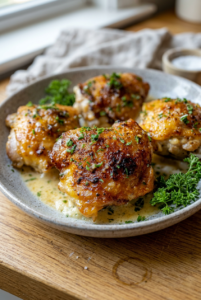
- 1 whole turkey (size based on your guests) – This is the star of the show, providing a tender base that absorbs flavors from brining and cooking methods like roasting or grilling for moist, flavorful meat.
- Buttermilk (amount as needed) – Used to dip turkey pieces, it adds a tangy coating that helps seasonings stick and keeps the meat juicy before cooking.
- Seasoned flour (as required) – Coats the turkey after dipping, creating a crispy exterior when fried or roasted, enhancing texture and taste with herbs and spices.
- Brine components (not specified) – Essential for soaking the turkey, this mixture infuses salt and flavors to ensure the meat stays moist and tasty during cooking.
Ingredients for Stuffing
- Turkey livers (as available) – Adds rich, savory depth and traditional flavor to the stuffing, making it a hearty complement to the main dish.
- Roasted chestnuts (quantity not specified) – Bring a nutty sweetness and crunch, elevating the stuffing with a seasonal twist that’s both comforting and unique.
- Fresh herbs (as desired) – Provide aromatic notes that brighten the stuffing, with options like sage or thyme for that classic holiday essence.
Ingredients for Gravy and Sides
- Ingredients for gravy (from roasted poultry, not specified) – Made from pan drippings, this creates a smooth, seasoned sauce that ties the meal together with rich flavors.
- Mashed potatoes (potatoes needed) – A classic side that offers creamy comfort, easily customized with butter or herbs for a wholesome addition.
- Roasted root vegetables (variety as preferred) – Like carrots and beets, these add colorful, nutritious elements with a caramelized sweetness that balances the plate.
- Pumpkin pie ingredients (not detailed) – Includes pumpkin and spices for a traditional dessert that caps off the meal with warm, spicy notes.
- Pecan tart components (not specified) – Features pecans for a nutty, sweet treat that’s simple yet indulgent.
- Cranberry cake ingredients (basic amounts) – For an easy dessert, this uses cranberries to deliver tart flavors in a straightforward bake.
- Caramelized apple dessert items (as needed) – Focuses on apples for a fresh, fruity end to the feast with a caramelized twist.
Special Dietary Options
For those with specific needs, here are some swaps:
- Vegan: Use plant-based milk instead of buttermilk and vegetable stock for brine to keep things cruelty-free.
- Gluten-free: Opt for gluten-free flour in coatings and ensure herbs are fresh to avoid any wheat-based issues.
- Low-calorie: Choose lighter veggies and reduce added fats in sides to make the meal healthier without losing flavor.
| Ingredient Category | Standard Option | Dietary Alternative |
|---|---|---|
| Turkey Coating | Buttermilk and seasoned flour | Plant-based milk and gluten-free flour |
| Stuffing Base | Turkey livers and chestnuts | Mushroom alternatives for vegan versions |
How to Prepare the Perfect Thanksgiving Guide: Step-by-Step Guide
Getting started with your Thanksgiving meal is easier than you think, especially with methods from Andrew Zimmern’s guide. Begin by breaking down the turkey into pieces for even cooking, whether you’re roasting, frying the skin, grilling, smoking, or braising. This step ensures everything cooks just right, leading to crispy skin and juicy meat. Don’t forget to brine and dry the turkey in the fridge for that extra flavor boost.
First Step: Prep and Brining
Gather all your ingredients and set up your workspace to make things smooth. Start by brining the turkey pieces to add moisture and taste, then dry them in the refrigerator. This sets the stage for dipping in buttermilk and coating with seasoned flour. Beginners will appreciate how these steps keep things straightforward.
Second Step: Cooking Methods
Once prepped, choose your cooking style based on what you have at hand. For roasting, aim for a steady oven temperature around 325°F for a few hours. If grilling, keep an eye on the heat to avoid flare-ups, and for smoking, maintain low temps for that smoky flavor. Frying is just for the skin, so handle it carefully for crispiness.
Third Step: Adding Flavors and Sides
After the main cook, mix in your stuffing with turkey livers, chestnuts, and herbs. Prepare sides like mashed potatoes by boiling and mashing them simply. Adapt for dietary needs by swapping ingredients as you go, ensuring everyone enjoys the meal.
Fourth Step: Finishing Touches
Make gravy from the poultry drippings for a perfect pour, and carve the turkey following the guide’s tips. Check textures and flavors, adjusting seasonings if needed. Serve hot with your creative sides and desserts like cranberry cake. For more sweet ideas, check out our delicious peach cobbler recipe to add a fun twist.
Fifth Step: Presentation
Finally, plate everything attractively, perhaps with a sprinkle of fresh herbs. Time your steps to align with preparation needs, and remember, these tips work for all cooking levels to create a feast that’s both moist and full of flavor.

Dietary Substitutions to Customize Your Thanksgiving Guide
Making your Thanksgiving meal inclusive is key, and Andrew Zimmern’s guide offers plenty of flexibility. For the main turkey dish, swap proteins if needed, like using chicken for a lighter option or plant-based alternatives. This helps accommodate various tastes and restrictions without losing that holiday spirit.
Protein and Main Component Alternatives
- Replace turkey with tofu for vegans, ensuring it’s brined similarly for flavor absorption.
- Use fish as a substitute for those who prefer seafood, adjusting cooking times accordingly.
Vegetable, Sauce, and Seasoning Modifications
- Swap root vegetables for seasonal greens in sides to match what’s fresh and available.
- Adjust gravy with low-sodium stock for health-conscious guests, keeping the seasoned taste intact.
As noted in resources like the health benefits of classic Thanksgiving foods, these changes can enhance nutritional value.
Mastering Thanksgiving Guide: Advanced Tips and Variations
Once you’re comfortable with the basics, take your Thanksgiving skills up a notch with expert advice from Andrew Zimmern. Learn pro techniques like perfecting crispy skin through frying or smoking for deeper flavors. These methods help you achieve moist results every time, turning your meal into something truly special.
Flavor Variations
- Experiment with different herbs in stuffing for a fresh twist on tradition.
- Add spices to gravy to match your family’s preferences, like a hint of cinnamon for warmth.
Presentation and Make-Ahead Tips
For plating, arrange dishes with colorful veggies to wow your guests. Prep sides in advance, such as roasting vegetables the day before, to ease your schedule. Leftover ideas include turning turkey into sandwiches or soups for easy meals later.
How to Store Thanksgiving Guide: Best Practices
After the feast, proper storage keeps your food safe and tasty. Use refrigeration for short-term needs, like keeping sides fresh for a couple of days. For longer hold, freeze portions of turkey or desserts to preserve quality.
- Refrigerate leftovers within two hours in airtight containers.
- Freeze meals for up to three months, labeling dates for easy tracking.
Reheat everything thoroughly, aiming for 165°F, and consider batch prepping for future use to cut down on waste.
FAQs: Frequently Asked Questions About Thanksgiving Guide
What are some easy Thanksgiving recipes for beginners?
For beginners, focus on simple, classic dishes that don’t require too many ingredients or complicated steps. Try roasted turkey breast, mashed potatoes, green bean casserole, and homemade cranberry sauce. These recipes typically use basic ingredients and can be prepared in stages, making the cooking process manageable. Using pre-chopped vegetables or store-bought pie crusts can also save time while delivering great flavors.
How can I plan my Thanksgiving cooking schedule?
Start by listing all the dishes and estimating the cooking times for each. Begin with dishes that take the longest, like the turkey, which can require several hours. Prepare side dishes that can be made ahead, such as casseroles or pies, a day or two in advance. On Thanksgiving Day, coordinate oven use by prioritizing temperature needs and using slow cookers or stovetop methods to free up oven space. Creating a timeline helps prevent last-minute stress.
What are some budget-friendly Thanksgiving decorating ideas?
Use natural elements like pine cones, colorful leaves, and pumpkins as centerpieces for an affordable, festive look. Mason jars filled with candles or fresh herbs can add charm without extra expense. DIY crafts such as paper turkeys or garlands made from fall-colored paper help personalize your decor. Many materials for these decorations can be found outdoors or at discount stores, making it easy to decorate on a budget.
How can I accommodate guests with dietary restrictions at Thanksgiving?
Ask your guests ahead of time about any allergies, food intolerances, or dietary preferences. Offer alternatives such as gluten-free stuffing, dairy-free mashed potatoes, or vegetarian main dishes like stuffed squash. Labeling dishes clearly on your buffet table helps guests identify safe choices. Including a variety of options ensures everyone can enjoy the meal comfortably.
What is the best way to store Thanksgiving leftovers safely?
Store leftovers in shallow, airtight containers to cool quickly and refrigerate within two hours of serving. Label containers with the date to keep track of freshness. Most leftovers are safe to eat for three to four days in the refrigerator. For longer storage, freeze items like turkey or soups, which can last up to two to six months. Always reheat leftovers to an internal temperature of 165°F (74°C) before consuming.
Thanksgiving Guide
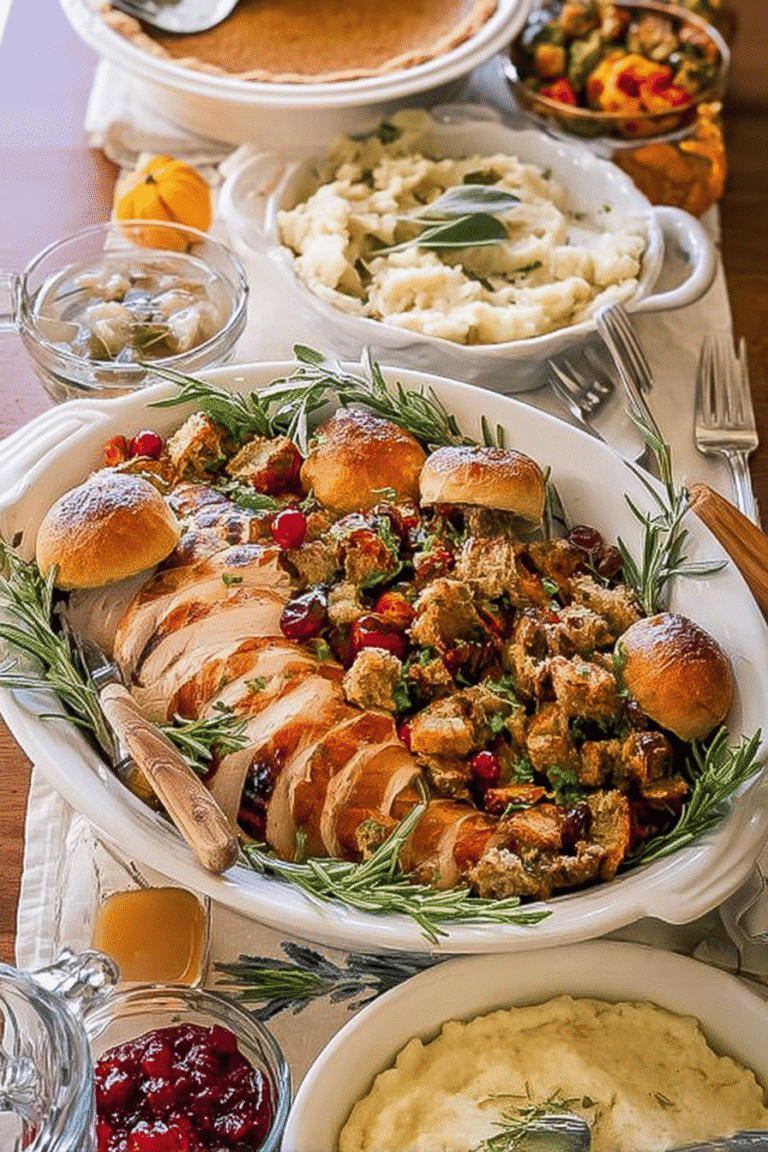
🦃 Discover a detailed Thanksgiving Guide featuring essential recipes for preparing a traditional turkey with various cooking methods.
🍂 This guide offers foolproof techniques for flavorful turkey, seasoned gravy, classic sides, and festive desserts to create a memorable holiday meal.
- Total Time: Varies
- Yield: Varies
Ingredients
1 whole turkey
Buttermilk for dipping turkey pieces
Seasoned flour for coating turkey
Brine components for soaking turkey
Turkey livers for stuffing
Roasted chestnuts for stuffing
Fresh herbs for stuffing
Ingredients for gravy from roasted poultry
Mashed potatoes
Roasted root vegetables
Pumpkin pie ingredients
Pecan tart components
Cranberry cake ingredients
Caramelized apple dessert items
Plant-based milk for turkey coating alternative
Gluten-free flour for turkey coating alternative
Turkey livers for stuffing base
Chestnuts for stuffing base
Mushroom alternatives for stuffing base
Instructions
First Step: Prep and Brining Gather all your ingredients and set up your workspace to make things smooth. Start by brining the turkey pieces to add moisture and taste, then dry them in the refrigerator. This sets the stage for dipping in buttermilk and coating with seasoned flour. Beginners will appreciate how these steps keep things straightforward.
Second Step: Cooking Methods Once prepped, choose your cooking style based on what you have at hand. For roasting, aim for a steady oven temperature around 325°F for a few hours. If grilling, keep an eye on the heat to avoid flare-ups, and for smoking, maintain low temps for that smoky flavor. Frying is just for the skin, so handle it carefully for crispiness.
Third Step: Adding Flavors and Sides After the main cook, mix in your stuffing with turkey livers, chestnuts, and herbs. Prepare sides like mashed potatoes by boiling and mashing them simply. Adapt for dietary needs by swapping ingredients as you go, ensuring everyone enjoys the meal.
Fourth Step: Finishing Touches Make gravy from the poultry drippings for a perfect pour, and carve the turkey following the guide’s tips. Check textures and flavors, adjusting seasonings if needed. Serve hot with your creative sides and desserts like cranberry cake. For more sweet ideas, check out our delicious peach cobbler recipe to add a fun twist.
Fifth Step: Presentation Finally, plate everything attractively, perhaps with a sprinkle of fresh herbs. Time your steps to align with preparation needs, and remember, these tips work for all cooking levels to create a feast that’s both moist and full of flavor.
Last Step:
Please leave a rating and comment letting us know how you liked this recipe! This helps our business to thrive and continue providing free, high-quality recipes for you.Notes
🧂 Proper brining and drying ensure moist meat and crispy skin.
🍳 Follow the specific steps for frying turkey skin separately for best results.
🥪 Use Thanksgiving leftovers creatively in sandwiches, soups, or turkey tetrazzini.
- Prep Time: Varies based on cooking method
- Cook Time: Varies
- Category: Holiday
- Method: Roasting, Frying, Grilling, Smoking, Braising
- Cuisine: American
- Diet: Omnivore
Nutrition
- Serving Size: Varies